
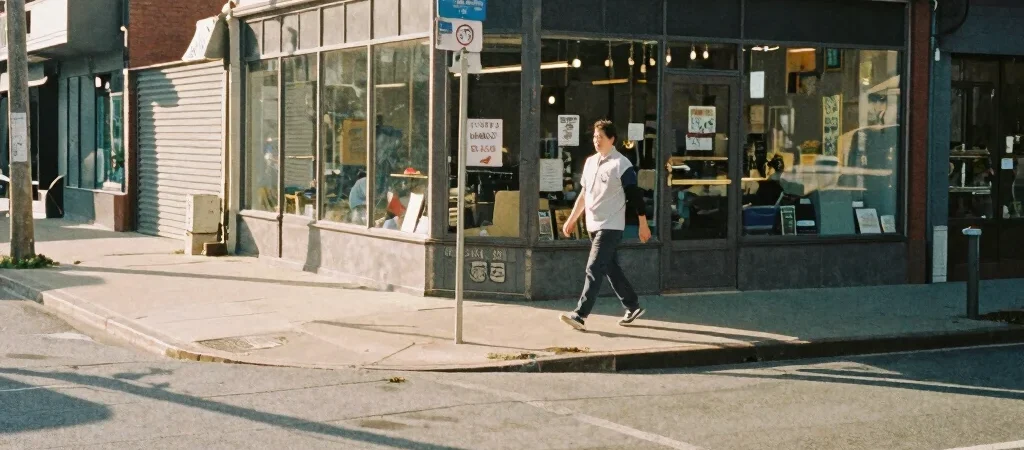
The first hour in a new place can feel like a choice between doing everything and doing nothing. I prefer a small first walk: enough to learn the nearest streets, but not so much that the day becomes a checklist. A corner store, a transit stop, or the sound of a busy avenue can offer a more useful introduction than a string of distant sights.
Start Close to Where You Are
Once you’ve dropped your bag, choose a simple loop that begins and ends near your lodging. Notice which streets feel easy to follow, where the sidewalks narrow, and what serves as a landmark when you turn back. If you’re tired or carrying luggage, keep the route short; arriving is already part of the trip.
Notice the Useful Details
Look for the practical things you might need later: a transit entrance, a place to refill a water bottle, or the street that leads back to your door. Write down the exact name of a stop or the shop beside a turn, rather than relying on “near the big intersection.” Small details are much easier to use when you’re tired and the light has changed.
Leave the Loop Open
A first walk works best when it doesn’t need to prove anything. If a side street catches your attention, follow it for a block; if your energy fades, head back. Keep one note about what you want to revisit, then let the rest stay unfinished. That gives tomorrow a starting point without deciding the whole day in advance.