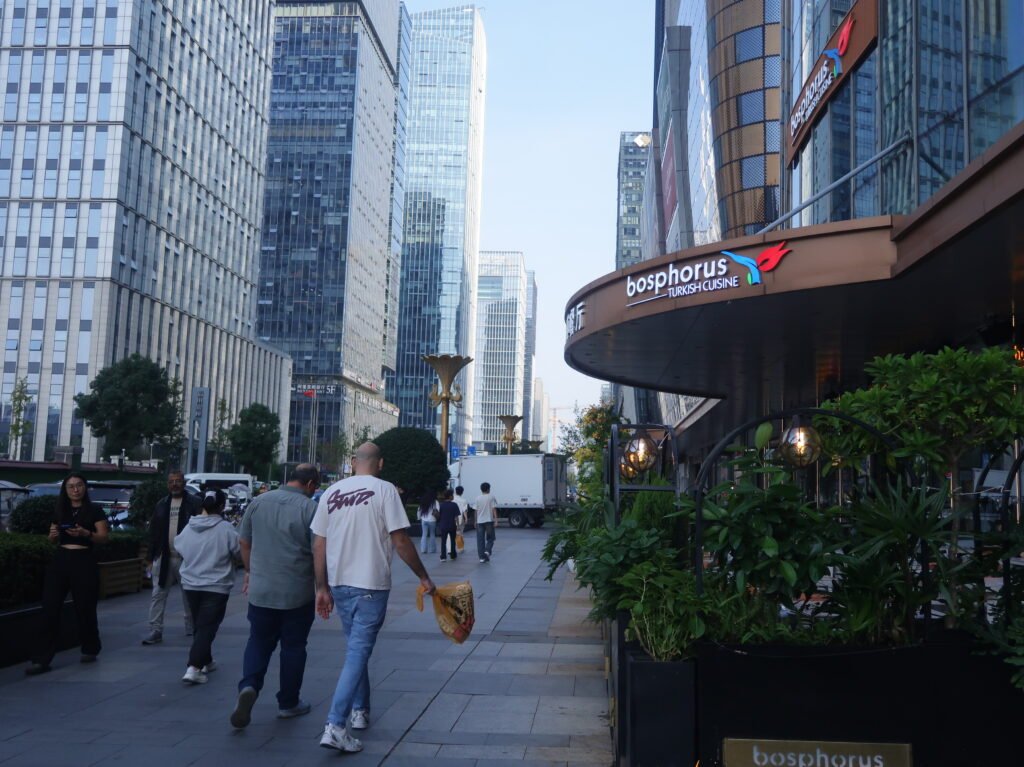
Yiwu is famous for its small commodities. But once you step inside and take a closer look, you realize it’s more than a collection of shops selling lighting, accessories, and hardware.
In China, laoban niang is a common way to refer to a woman who runs a shop, often as part of a family business. Hua-jie is one of them. She and her husband run an umbrella factory: he handles production, while she takes care of sales.
I picked up a lightweight umbrella from the rack by the entrance.
“How much is this one for wholesale?”
“It’s a new design. Fifty-five.”
“Why is it so expensive?”
“The fabric,” Hua-jie replied with just two words.
Unless it was made of gold, the fabric couldn’t possibly explain a price that high! I knew what an umbrella like this should cost in China. I asked again about the size—it was 55 centimeters—and only then did the shop owner tell me the price was 33 yuan.
See? Even a Chinese person pretending to be a buyer can get taken for a ride.
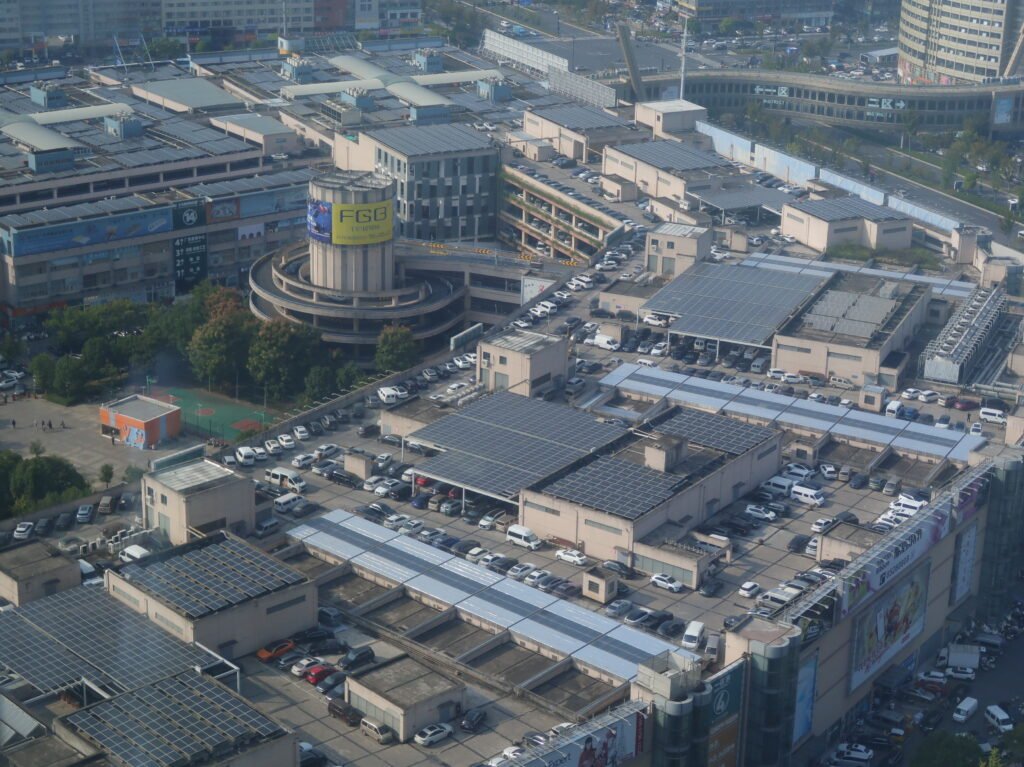
Each shop is like a display cabinet. Most goods are made in a factory after an order is placed, or sourced from elsewhere. Buyers get lower prices by ordering in large quantities.
For small electronics, the MOQ is usually two to ten cartons, with 50 to 100 pieces per carton. If a seller is willing to sell even a single carton, you may have found a genuine manufacturer. They tend to know their stock well and can quote quickly, though you’ll usually need to arrange pickup yourself.
It’s common for non-Chinese buyers to be quoted higher prices than Chinese buyers. If you don’t speak Chinese, you can work with a Chinese partner when sourcing in Yiwu. That may help you get better quotes.
Manufacturers don’t necessarily have goods in stock. A custom order can mean a high MOQ.
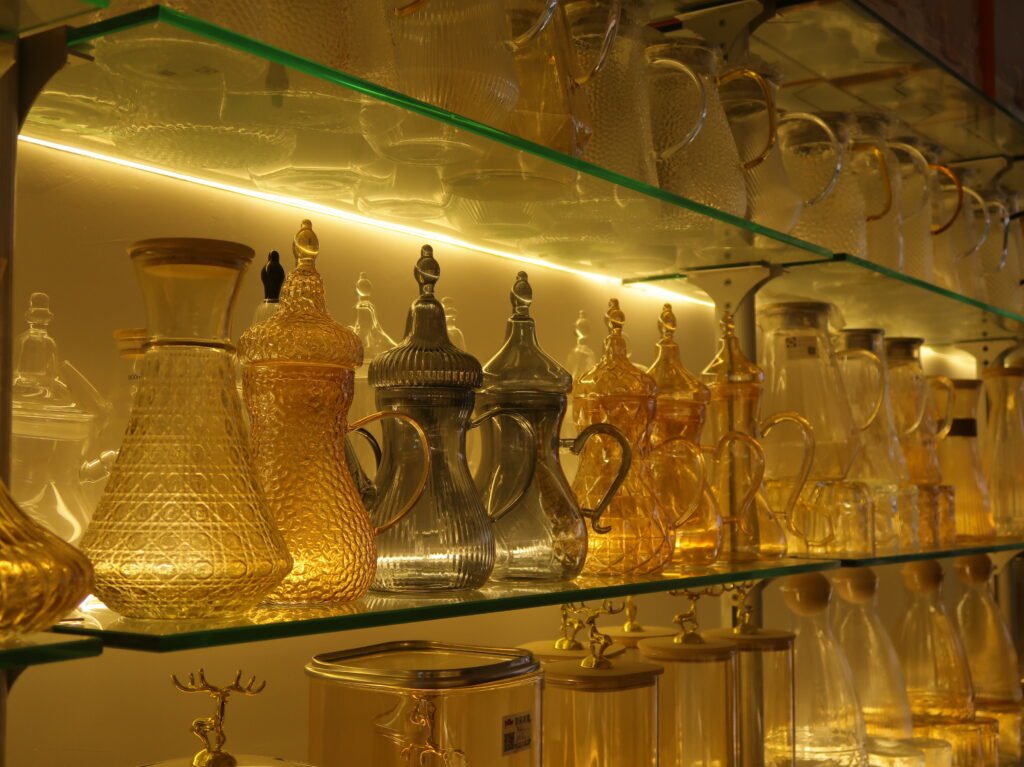
If you’re looking for the cheapest goods, they may not be at factories or with first-tier suppliers. Try the surplus-stock markets instead. After a product has been developed, manufactured, distributed, and sold, some units may still be left over, tying up a retailer’s money and storage space. Retailers may sell this stock below the factory price to free up cash.
The Yiwu Wài Stock Market is full of this kind of clearance stock. You can find beautifully made porcelain at very low prices. Here, too, Chinese and non-Chinese buyers may be quoted different prices. The obvious downside is that surplus stock is unpredictable: once it’s gone, it may not be available again. Besides Wài, you can also look for clearance goods in Méihú, Zhūcūn, and Bāzútáng Community.
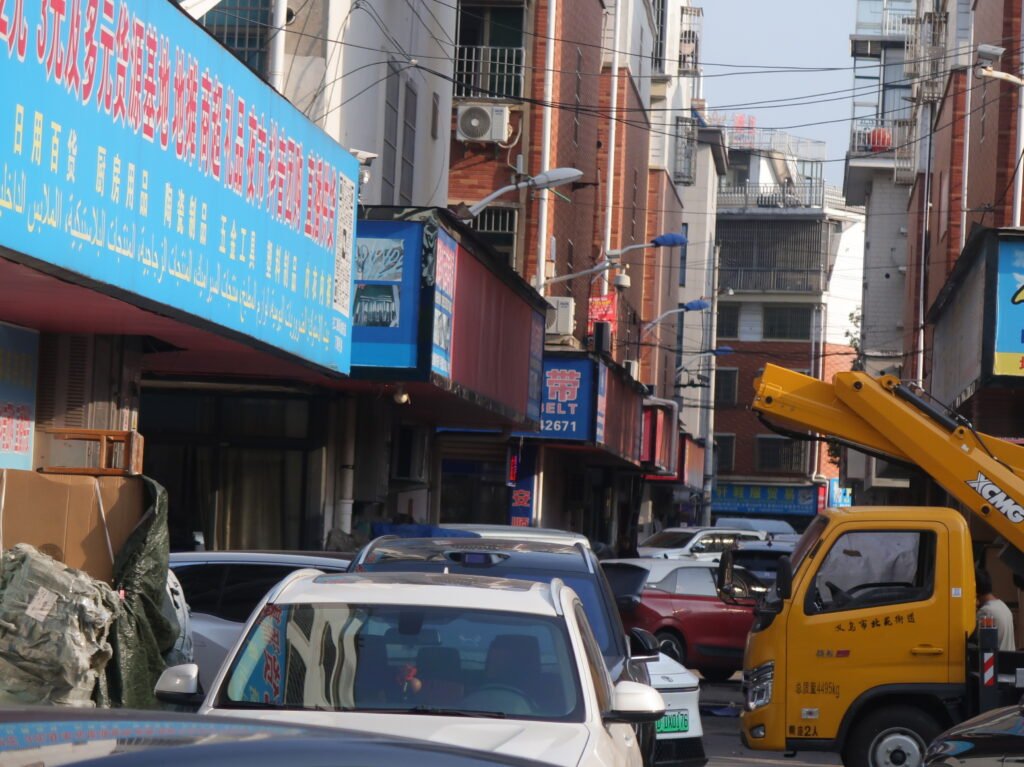
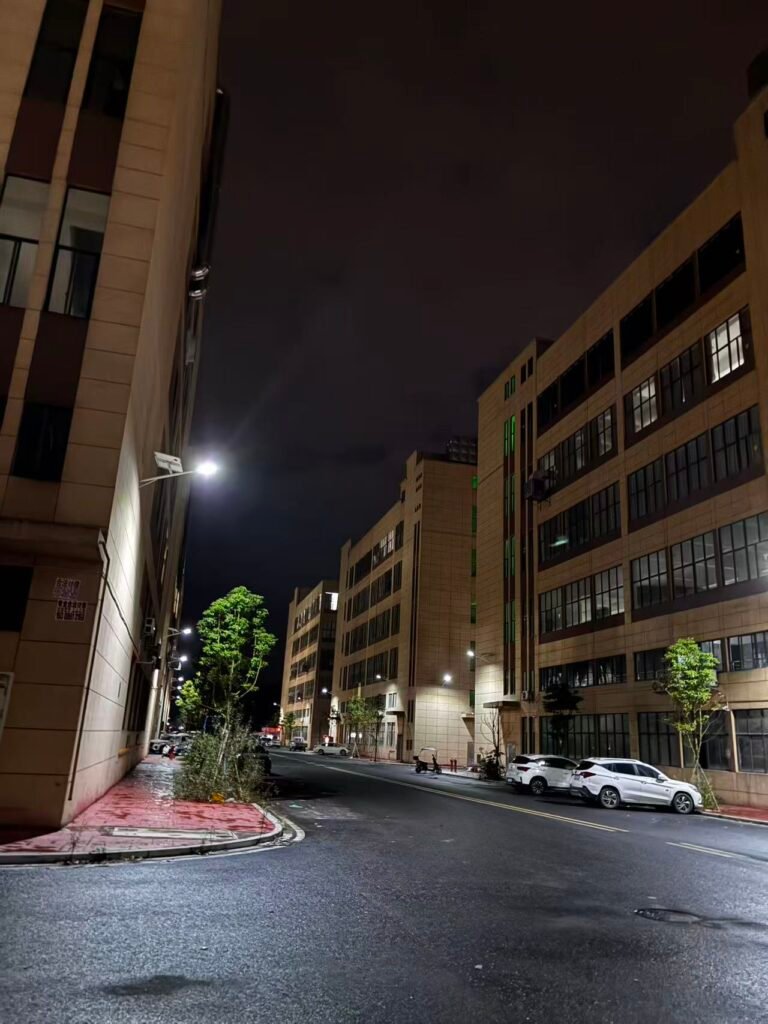
In Yiwu, you’ll find some of the newest designs. As the world’s small-commodities hub, the city is especially known for hair accessories. The large volume of accessory processing and packing work has also brought many day workers here. Behind the residential buildings you can see from the street, there are often factories and offices tucked away inside.Factories that need more workshop space, such as those making metal racks or stainless-steel cups, are often located in Yongkang, more than 100 kilometers away. Many of the factories there occupy buildings of four or more floors.
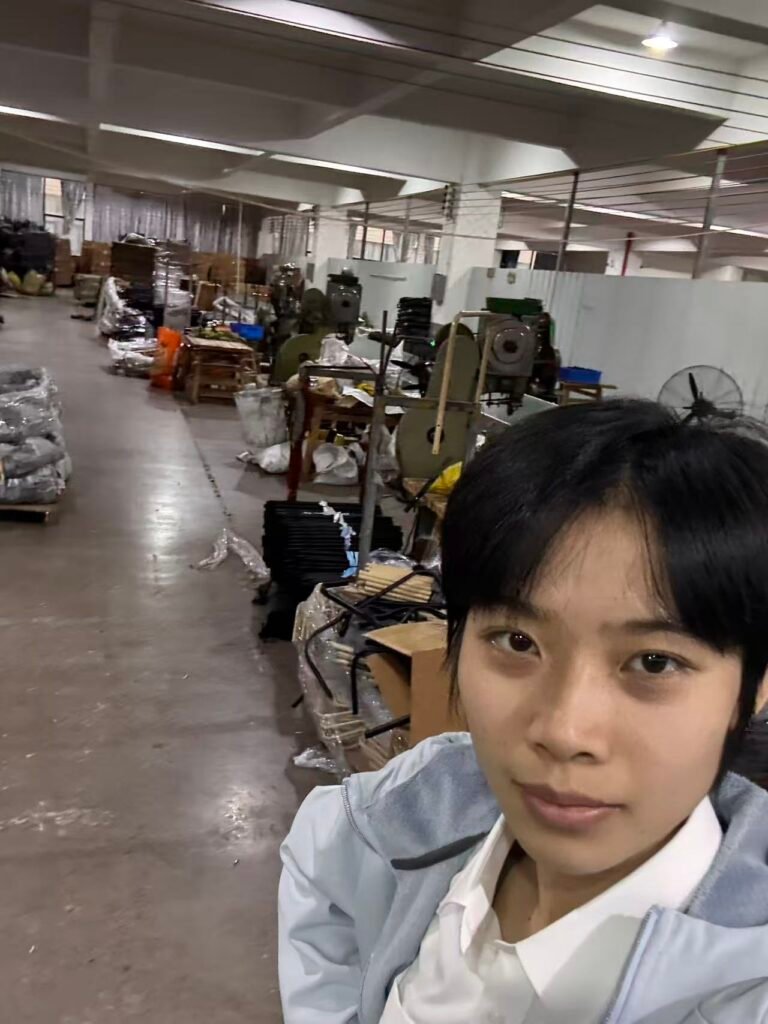
On one side, Arab traders carry samples through the markets, buying goods to sell in other countries. On the other, Chinese workers make products by hand and demonstrate them on camera for livestream sales. Behind each storefront is the enormous productive capacity of China’s factories.
What struck me about Yiwu was its orderly rhythm and sense of fair competition. No matter how large a shop was, its entrance seemed to be the same size.